

Industrial floors play a pivotal role in ensuring the operational efficiency and safety of industrial spaces. These specialized flooring solutions differ from residential options due to their ability to withstand heavy machinery, frequent traffic, and varied environmental conditions. Their features include durability, ease of maintenance, and specific functionalities depending on industry needs.
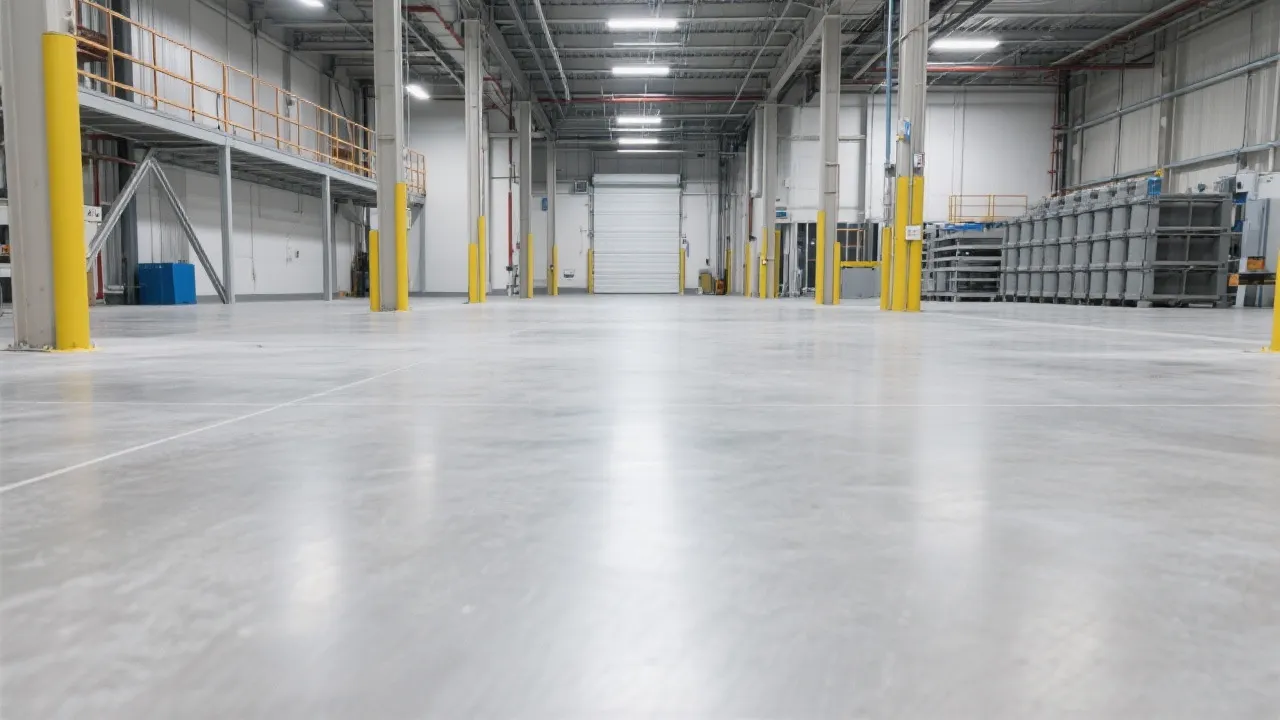
Industrial floors, known as pisos industriais in Portuguese, are more than just surfaces to walk or drive over. They are foundational elements that account for safety, efficiency, and the overall aesthetics of industrial environments. Choosing the right flooring can significantly impact an industrial facility’s functionality, affecting everything from machinery performance to worker safety. In the world of industrial operations, where the stakes are high, the implications of flooring choices reach far beyond mere appearance; they influence operational flow, maintenance costs, and compliance with safety regulations.
The primary considerations when selecting industrial floors include durability, resistance to wear and tear, chemical resistance, and ease of maintenance. These floors are typically made from materials such as concrete, epoxy, or polyurethane, each offering unique benefits. A well-constructed industrial floor should easily withstand the immense stress from heavy equipment and continual movement, with minimal signs of degradation over time.
Moreover, quality industrial floors can play a pivotal role in controlling the temperature within a facility, which is vital for industries that require specific climate conditions for both machinery and materials. For instance, thermal insulation properties can help maintain a stable environment, contributing to energy efficiency. Understanding the features and properties that constitute quality industrial flooring is crucial; it leads to informed decision-making that extends beyond the initial investment.
Common types of industrial floors include:
The choice of industrial floor largely depends on the specific demands of an operation. Considerations include load types, temperature variations, exposure to chemicals, and environmental conditions like humidity. For example, facilities that utilize heavy forklifts may require floors with high compressive strength and impact resistance. On the other hand, food processing units might prioritize hygienic surfaces that can withstand frequent cleaning with harsh chemicals.
Consulting with experts who understand the intricacies of industrial floors can lead to better long-term solutions and cost savings. Professional assessments can unveil potential challenges that might not be apparent during initial evaluations. Additionally, choices should be guided not just by current needs but also future expectations of growth, machinery upgrades, or regulatory changes. Input from each department affected by the flooring, including safety, management, and production, can ensure a well-rounded decision-making process.
Budget is a significant factor in selecting industrial floors. It's crucial to balance initial costs with longevity and maintenance needs to ensure economic feasibility. This includes understanding the total cost of ownership, which factors in installation, maintenance, and potential repair costs over the lifespan of the floor. A lower initial investment may lead to higher expenses if maintenance or durability is compromised.
Engaging with reputable suppliers who offer comprehensive warranties and post-installation support can enhance value over time, ensuring that any unforeseen issues are promptly addressed. It’s beneficial to research various suppliers, comparing products and speaking to previous clients to gauge consistent quality and service reliability. Additionally, manufacturers who prioritize innovation and sustainability in their materials provide a competitive edge, ensuring compliance with increasingly strict environmental regulations.
Investing in pisos industriais is a decision that affects every aspect of industrial operation, from the performance of machinery to worker morale and safety. A well-chosen industrial floor not only enhances operational efficiency but also reflects a dedication to quality and excellence in industrial management. As industries evolve with technology, flooring solutions continue to adapt, offering innovative options that combine durability with aesthetic appeal and environmental sustainability.
Understanding the implications of flooring choices empowers businesses to create safer work environments while maximizing productivity and operational resilience. As such, the significance of industrial floors cannot be overstated; they are truly an investment in the future of any industrial operation. Evaluating materials, engaging skilled professionals, and adopting a proactive maintenance strategy can lead to substantial long-term benefits, affirming that the right flooring choice is foundational to achieving operational success.
Ultimately, the journey to a robust industrial flooring solution encompasses research, expert consultation, financial planning, and ongoing management. By embracing a holistic approach to industrial flooring, businesses can support their operations and the well-being of their workforce while reinforcing their commitment to quality and sustainability across the board.



A Trustpay Maquininha oferece soluções modernas e seguras para transações comerciais no Brasil, destacando-se no mercado de pagamentos devido à sua tecnologia avançada e facilidade de uso. Exploramos suas funcionalidades inovadoras, sua aplicabilidade em pequenos e grandes negócios, além de sua capacidade de melhorar a eficiência operacional e a experiência do cliente.
Para receber pagamentos de maneira eficiente, é indispensável conhecer as melhores práticas e ferramentas disponíveis no mercado. Com o crescimento dos negócios digitais, entender como implementar soluções de pagamento pode ser um fator crucial para o sucesso de uma empresa. Este artigo explora estratégias, tecnologias e insights que podem facilitar o gerenciamento de pagamentos online de forma otimizada e segura.
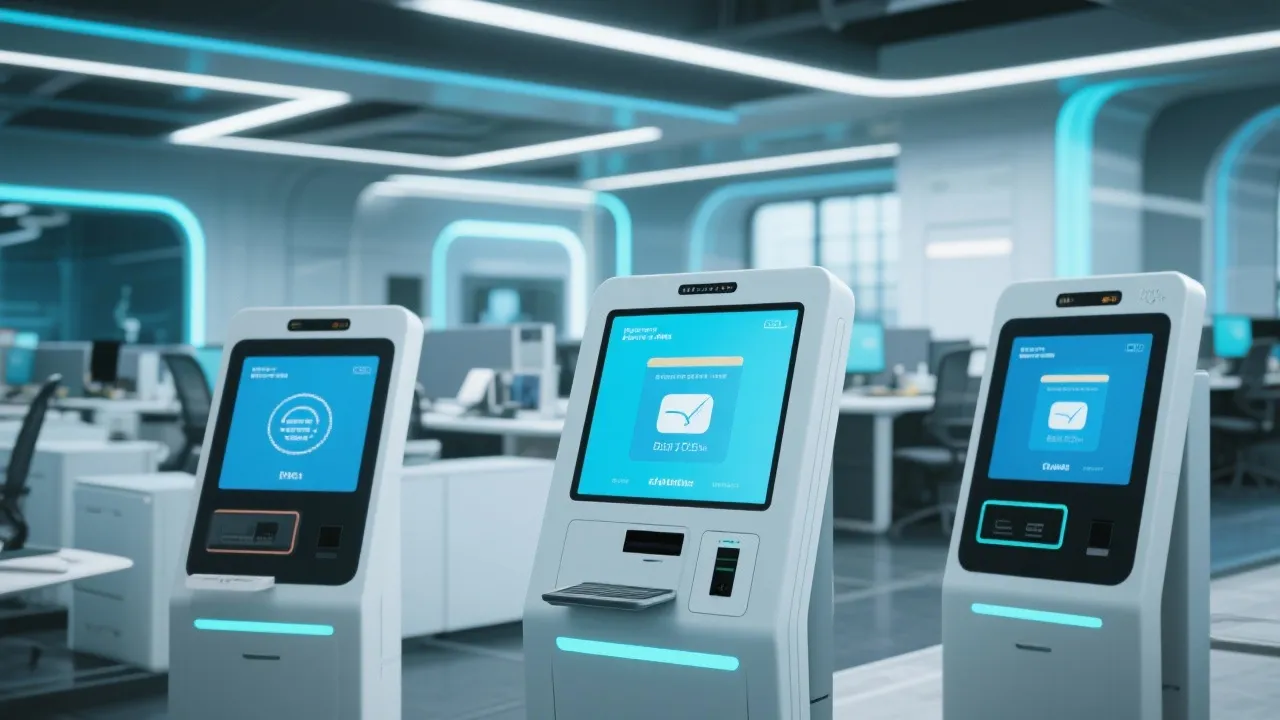
A automatização de pagamentos é essencial para a eficiência empresarial, permitindo que empresas gerenciem transações financeiras com mais precisão e menos erros humanos. Este guia explora como a automatização de pagamentos pode transformar operações de negócios, discutindo suas vantagens, desafios e as melhores práticas para implementação.

Exacta Consultoria es una firma destacada en el sector de servicios de consultoría por su enfoque integral y personalizado. Ofrecen soluciones adaptadas a las necesidades específicas de cada cliente, garantizando resultados efectivos y sostenibles. Se destaca por su equipo altamente capacitado y por estar a la vanguardia en tendencias de la industria.

Aprender a receber pagamentos online é crucial para empresas no ambiente digital. Este artigo aborda estratégias e ferramentas eficazes, analisando como otimizar operações financeiras através de plataformas seguras. Entenda as nuances dos pagamentos digitais e como escolher métodos adequados para sua empresa, promovendo eficiência e segurança.

Este artigo explora o mundo da consultoria e análise como ferramentas essenciais para o sucesso empresarial. Com a crescente complexidade dos mercados modernos, a compreensão das dinâmicas internas e externas através de análises precisas tornou-se crucial. A consultoria oferece soluções personalizadas, ajudando empresas a tomar decisões informadas e estratégicas.