

This guide examines the process of obtaining PIS COFINS restitution for companies, a critical component of financial management in Brazil. Understanding the complexities of the PIS and COFINS taxes and their reimbursement procedures can significantly impact a company's cash flow and fiscal health. Expertise in navigating these processes can ensure maximum benefit and compliance.

In Brazil, the PIS (Program for Social Integration) and COFINS (Contribution for the Financing of Social Security) are crucial federal taxes imposed on companies. These taxes are designed to fund social programs and are calculated on the company's gross revenues. Understanding how to manage and reclaim these taxes can be vital for a company's financial strategy, especially concerning cash flow management. Moreover, a deeper insight into these taxes not only aids in compliance but also empowers companies to leverage their financial position strategically in a competitive market.
Restituição Pis Cofins Empresas is a fiscal process that allows companies to reclaim overpaid amounts under these tax categories. For many businesses, effectively managing these restitutions can represent significant financial relief and improved cash liquidity. Companies often face intricate regulatory environments, requiring careful attention to detail and compliance with Brazilian tax laws. This aspect of financial management is not just a matter of getting back excess payments; it is about optimizing resources, improving profitability, and ensuring that the company functions efficiently within the broader economic framework of Brazil.
Achieving effective restitution requires a comprehensive understanding of eligibility criteria, documentation, and timelines. Companies must ensure they maintain accurate financial records and that all data complies with tax regulations. The process typically involves the submission of detailed tax documentation to the Receita Federal (Federal Revenue Service). Additionally, it is crucial to recognize that the process is not merely procedural; it also demands an analytical approach to identifying overpayments accurately, with a firm grasp on both legal expectations and financial implications.
While the potential financial benefits of reclaiming PIS and COFINS overpayments are significant, companies must also be aware of associated risks. Inaccuracies or discrepancies in tax declarations can lead to audits and penalties that could outweigh any gains from the restitution process. Thus, leveraging expertise in tax law is advisable to navigate the PIS and COFINS landscape efficiently. This expertise can come from internal resources within a company, but often it is prudent to engage external consultants who specialize in Brazilian tax laws to minimize risks effectively.
While managing financial strategies, companies might also consider optimizing their business accounts. Many banks offer bonuses for specific actions upon opening an account, providing additional financial incentives. This can be an important aspect of cash management as businesses look to maximize returns on their operational accounts while still maintaining liquidity to meet obligations.
| Bank Name | Account Type | Bonus Condition & Amount |
|---|---|---|
| Bank of America | Personal Checking | Deposit $2,000+ in 90 days for $200 bonus |
| Chase Bank | Total Checking | One direct deposit within 90 days for $300 bonus |
| Citibank | Regular Checking | Two direct deposits totaling $6,000+ in 90 days for $450 bonus |
| Wells Fargo | Easy Checking | Deposit $1,000+ within 90 days for $200 bonus |
| PNC Bank | Virtual Wallet | Set up direct deposit for $50 bonus |
Source: Banks' official websites.
Companies interested in taking advantage of banking incentives should follow these steps:
These taxes are designed to fund social programs and social security in Brazil. Their implementation plays a significant role in bolstering the country's social welfare system and facilitating broader economic stability.
Eligibility depends on demonstrating overpayment of these taxes, adhering to tax laws, and having requisite documentation. This process encourages companies to adopt meticulous tax planning strategies and ensures a deeper understanding of their tax liabilities.
The main pitfalls include inaccurate documentation and non-compliance with tax regulations, which can lead to penalties. Moreover, delays in submission or failure to meet the requisite documentation requirements can also hinder successful claims.
No, specific conditions must be met to qualify for bonuses. This requires businesses to remain proactive in managing their banking relationships and understanding the nuances of their chosen financial products.
It is essential to note that the implications of PIS and COFINS extend beyond mere taxation. They can significantly influence various aspects of corporate financial management, including pricing strategy, cash flow analysis, and overall business profitability. Understanding and effectively managing these taxes can lead to a competitive advantage in the Brazilian market.
To navigate the complexities of PIS and COFINS, companies can adopt several strategic approaches:
The implications of PIS and COFINS are also contextualized within Brazil's broader economic environment. Economic cycles can affect tax collections and the issuance of refunds. For instance, during economic downturns, tax revenues may decrease, impacting the government's ability to fund social programs. This cyclical nature underscores the importance of PIS and COFINS in contributing to Brazil's economic resilience.
Furthermore, the contribution of PIS and COFINS to social security programs highlights a social contract between the government and its citizens, which emphasizes the need for companies to view these taxes not only as a cost but as an investment in the future stability of the communities in which they operate.
As Brazil continues to adjust its economic policies and tax structures, it is essential for companies to remain vigilant. Trends such as digital transformation and globalization may lead to changes in how PIS and COFINS are interpreted and managed. For instance, e-commerce and service-based industries may see new tax implications as consumption patterns evolve.
Moreover, businesses must also prepare for potential policy changes that could alter the landscape of tax laws governing PIS and COFINS. Staying informed about legislative movements and participating in industry consultations can empower businesses to advocate for tax fairness and clarity.
Understanding PIS and COFINS is critical for businesses operating in Brazil. With the potential for significant financial implications, companies must actively engage in effective tax management strategies and restitution processes. By leveraging expert advice, investing in technology, and reviewing financial positions regularly, businesses can navigate these taxes successfully. Furthermore, recognizing the broader economic context and future trends will allow companies to not only comply with legal requirements but also to nurture their financial health in a competitive landscape. As PIS and COFINS continue to play a pivotal role in Brazil's socio-economic framework, it is imperative for businesses to adapt and position themselves for sustainable success.



Este artigo explora o papel significativo do Nubank no setor bancário brasileiro. Ao analisar o crescimento da instituição, destacamos como seu modelo de negócio revolucionou a experiência bancária online. Além disso, comparamos opções de contas bancárias internacionais, oferecendo uma visão abrangente do mercado financeiro atual.

Este artículo proporciona información detallada sobre cómo utilizar un simulador tributario en línea para optimizar la gestión fiscal personal. Explora diversas cuentas bancarias disponibles en Estados Unidos que ofrecen bonificaciones al abrir nuevas cuentas, analizándolas a través de requisitos y montos de las bonificaciones. Incluye una descripción general y comparación de los principales bancos, como Bank of America, Chase, Citibank, y más.

Esta análise se concentra na restituição de Pis Cofins para empresas, abordando a importância desse processo no cenário financeiro brasileiro. Pis e Cofins são contribuições sociais cobradas de empresas para financiamento da seguridade social, com alíquotas que variam de acordo com o regime de tributação. Sua restituição pode representar uma redução significativa de custos, especialmente para empresas que operam em regime cumulativo.

Este guia explora as opções de contas bancárias online e benefícios relacionados, principalmente nos EUA, fornecendo informações sobre bônus de abertura de conta em grandes bancos. Grd Investimentos é destaque como uma solução robusta no setor financeiro, conhecido por sua interação e soluções personalizadas. A seguir, entendemos como diferentes contas podem otimizar suas finanças pessoais.
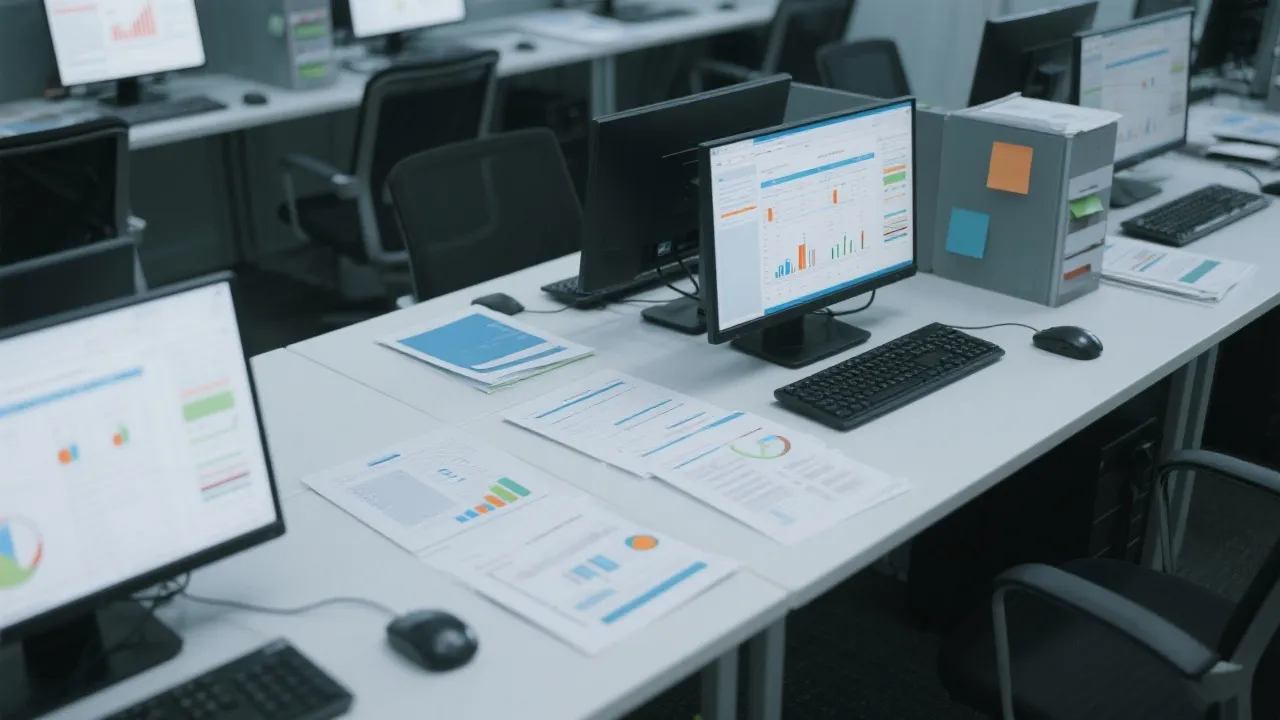
Este artigo oferece um guia abrangente sobre a restituição de Pis e Cofins para empresas. Destaca a importância de compreender essas contribuições fiscais no Brasil, onde Pis e Cofins são impostos que incidem sobre a receita bruta das empresas e podem ser restituídos sob certas condições. Detalhes sobre diferentes contas bancárias online e os requisitos para obtenção de bônus ao abrir contas em bancos principais nos EUA, são também fornecidos.

Este artigo explora o conceito de Ciclo Financeiro Negativo, um fenômeno onde as despesas superam as receitas, gerando estresse financeiro para empresas e indivíduos. Além disso, oferece uma análise comparativa de contas bancárias online nos EUA e explica como obter bônus de abertura de conta em bancos renomados.