

Industrial floors are crucial for business operations, offering durability, safety, and versatility. Their applications range from warehouses to high-traffic manufacturing plants. Such floors must meet specific requirements, including resistance to chemicals and heavy loads, ensuring longevity and safety in industrial environments. This article explores various types of industrial floors and their benefits.
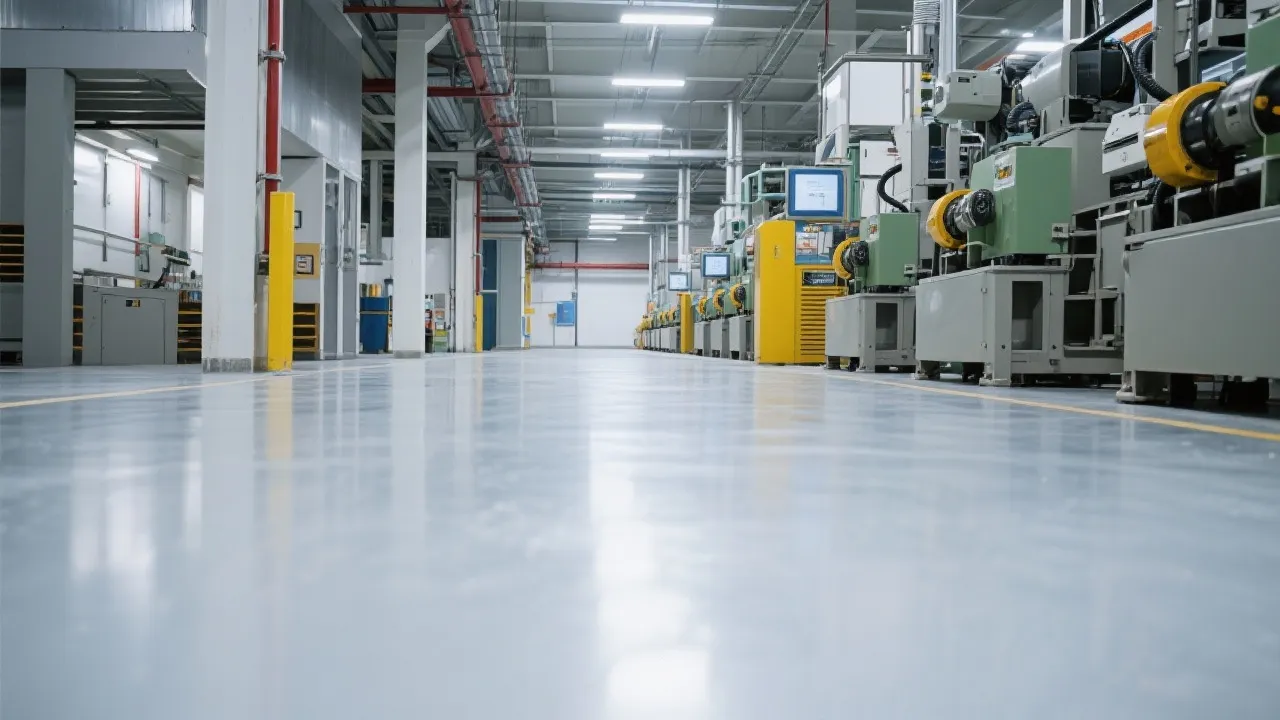
Industrial floors are a vital component of manufacturing and storage facilities, providing a robust surface designed to withstand the rigors of daily operations. These facilities require floors that are not only durable but also safe and easy to maintain, making the choice of flooring a critical decision. In the context of modern industry, the flooring can influence everything from the safety of personnel to the efficiency of manufacturing processes. This importance brings the need for understanding various flooring options, their characteristics, and the implications of those choices.
Several types of floors are typically used in industrial settings, each with its unique features and benefits. These include concrete floors, epoxy coatings, polyurethane finishes, and polished concrete, among others. Let's delve deeper into these options and their specific applications:
Choosing the right flooring ensures durability, safety, and efficiency in industrial environments. Here are some expansive benefits of selecting appropriate industrial flooring:
When it comes to flooring selection, several factors should be taken into account to find the best match for your operations. Each consideration plays a crucial role in ensuring the flooring can cope with the specific demands placed upon it:
| Criteria | Importance |
|---|---|
| Load Capacity | Ensuring the floor can bear the weight of equipment and traffic is crucial. This includes understanding the types of vehicles that will operate on the surface, from forklifts to heavy machinery. |
| Chemical Resistance | Essential for facilities that handle chemicals, such as manufacturing plants and laboratories, to prevent degradation and damage that could lead to costly repairs or hazardous situations. |
| Durability | Select materials that offer longevity against wear and tear, particularly in high-traffic areas. This could involve evaluating various surface treatments and materials for their lifespan in an industrial context. |
| Cost | Budget considerations affect the choice between initial investment and long-term savings. Evaluating both upfront costs and potential future expenses linked to maintenance and replacement is essential. |
| Maintenance | Easy maintenance reduces downtime and maintenance costs, directly impacting operational efficiency. Facilities with rigorous cleaning demands, such as food processing plants, particularly benefit from low-maintenance options. |
| Surface Texture | Adequate texture is essential for traction and safety. Industrial flooring should be designed to provide enough grip to prevent slips, especially in environments where spills may occur regularly. |
| Thermal Properties | In environments with extreme temperatures, it's important to consider how flooring will handle heat exposure or cold, ensuring it won't crack or damage over time. |
What is the best type of industrial flooring? The best type depends on the specific needs of the facility, including load, chemical exposure, and environmental conditions. Evaluating facility requirements against potential flooring solutions is essential for achieving the best outcome.
How long does industrial flooring last? With adequate maintenance, high-quality industrial floors can last for several decades. Regular care and timely repairs contribute significantly to flooring longevity.
Are industrial floors expensive? While the initial costs can be significant, the long-term durability and minimal maintenance requirements often result in cost savings. It's important to approach flooring investment with a long-term perspective.
How can I ensure my industrial flooring stays in good condition? Regular inspections and maintenance are crucial. Implementing a cleaning schedule, applying sealants, and addressing repairs promptly can extend the lifespan of the flooring significantly.
Can industrial flooring be customized? Yes, many industrial flooring options can be customized to meet specific needs, including color selections, surface textures, and varying thicknesses depending on usage demands.
In summary, choosing the right industrial flooring is crucial for the efficiency and safety of any industrial operation. By focusing on key factors such as durability, safety, and maintenance, businesses can ensure their floors meet the demanding requirements of their environment. Additionally, understanding the nuances of different flooring types and their applications can empower business owners and facility managers to make informed decisions that enhance operational efficiency and worker safety. As industries evolve and change, continuous education on advancements in flooring technology will be essential to keep pace with new demands and maintain a competitive edge.
The industrial flooring sector has witnessed significant innovation and advancement in recent years. As industries strive to embrace greener practices and improve workplace safety, the development of new materials and technologies in industrial flooring continues to grow. Let’s explore some of the emerging trends in industrial flooring:
Installing industrial flooring goes beyond just selecting the right materials. The installation process itself is crucial to the longevity and performance of the flooring system. Here are important considerations to keep in mind:
Choosing the right industrial flooring is pivotal for the efficiency and safety of any industrial operation. By assessing the unique requirements of the facility, understanding the various types of flooring available, and remaining cognizant of industry trends, businesses can make informed decisions that drive both performance and safety. The ongoing evolution of flooring technology means that staying updated with new innovations will be crucial for maximizing operational efficiency and ensuring workplace safety in the ever-changing landscape of industrial operations. As businesses continue to evolve, the integration of new materials and technologies will play an essential role in ensuring facilities can meet the demands of modern industry while also prioritizing sustainability and worker health.
Incorporating the best industrial flooring practices not only optimizes function but also reflects a commitment to quality and safety that can benefit businesses in the long term, fostering a positive work environment and maintaining compliance with industry standards. By all measures, meticulous consideration of flooring in industrial environments is a crucial cornerstone of operational success.



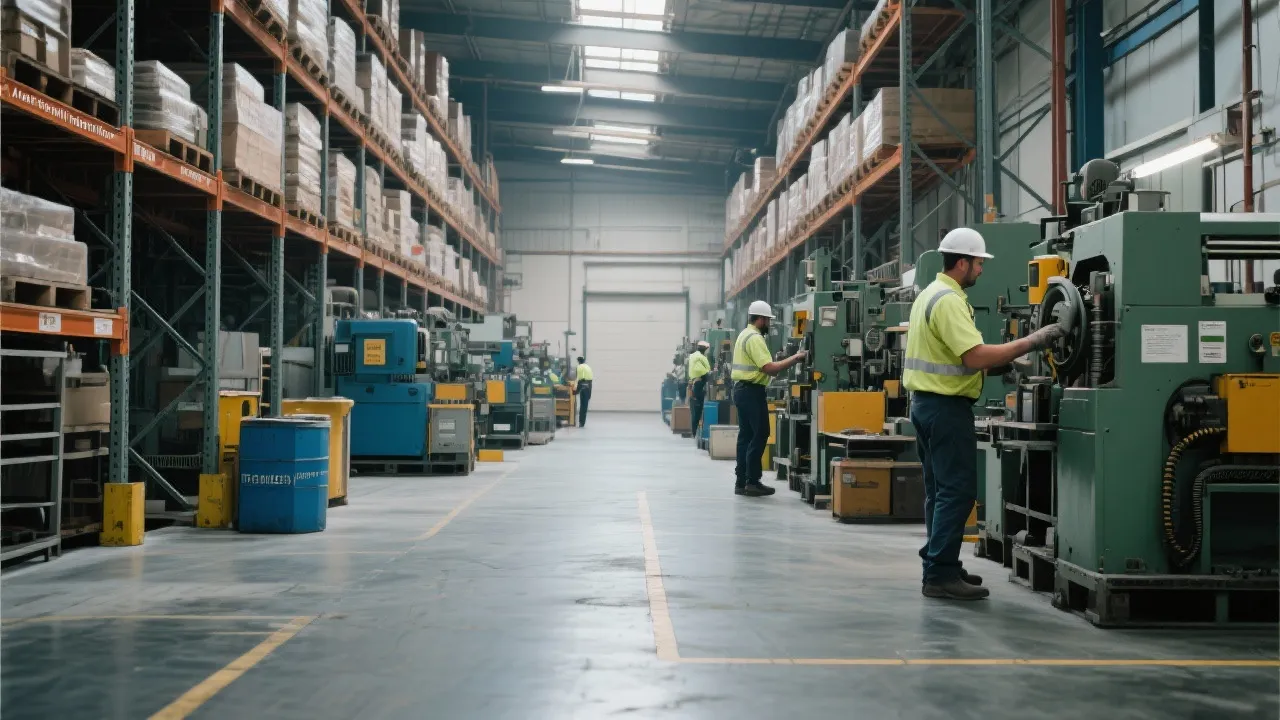
Os pisos industriais são elementos cruciais em ambientes fabris e logísticos, oferecendo durabilidade e segurança essenciais. Diferentes tipos de materiais e técnicas de instalação atendem às diversas exigências industriais, garantindo a resistência ao desgaste e a facilidade de manutenção.
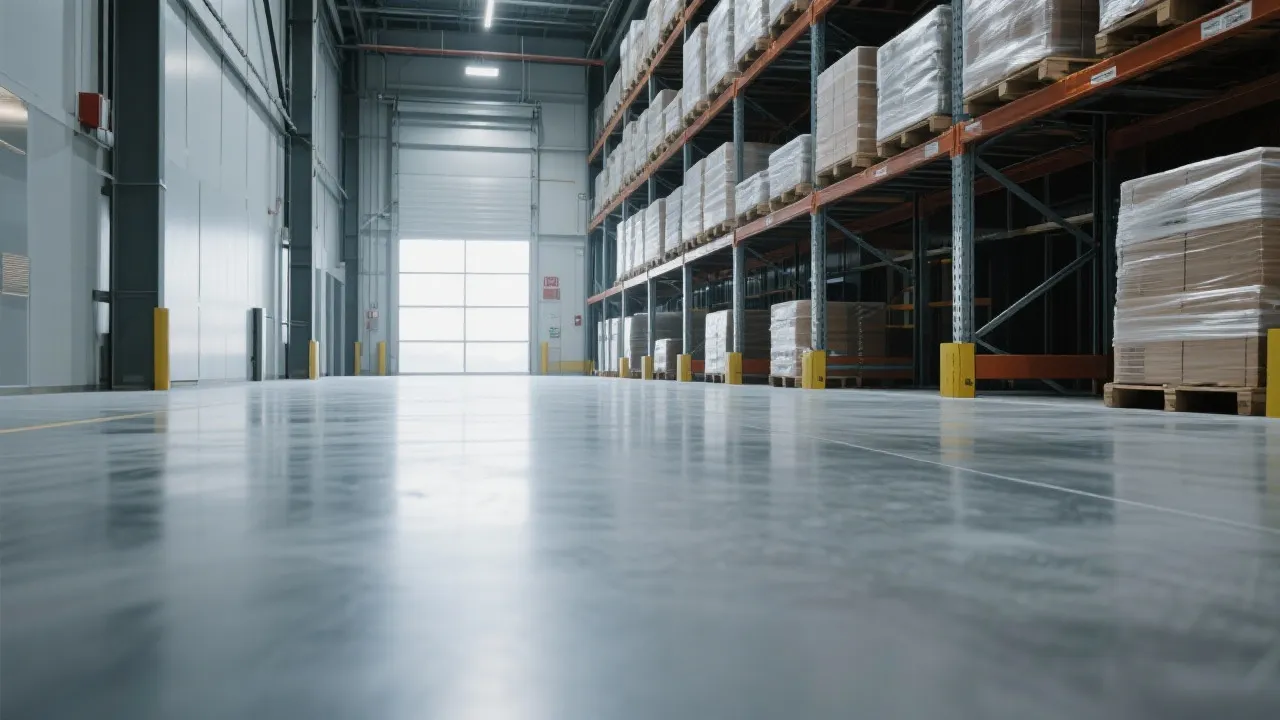
Flooring in industrial settings is crucial, impacting productivity and safety. Industrial flooring, known for its durability and resistance, supports various environments like factories, warehouses, and laboratories. These floors require careful selection based on material, installation, and maintenance to ensure optimal performance in demanding conditions.
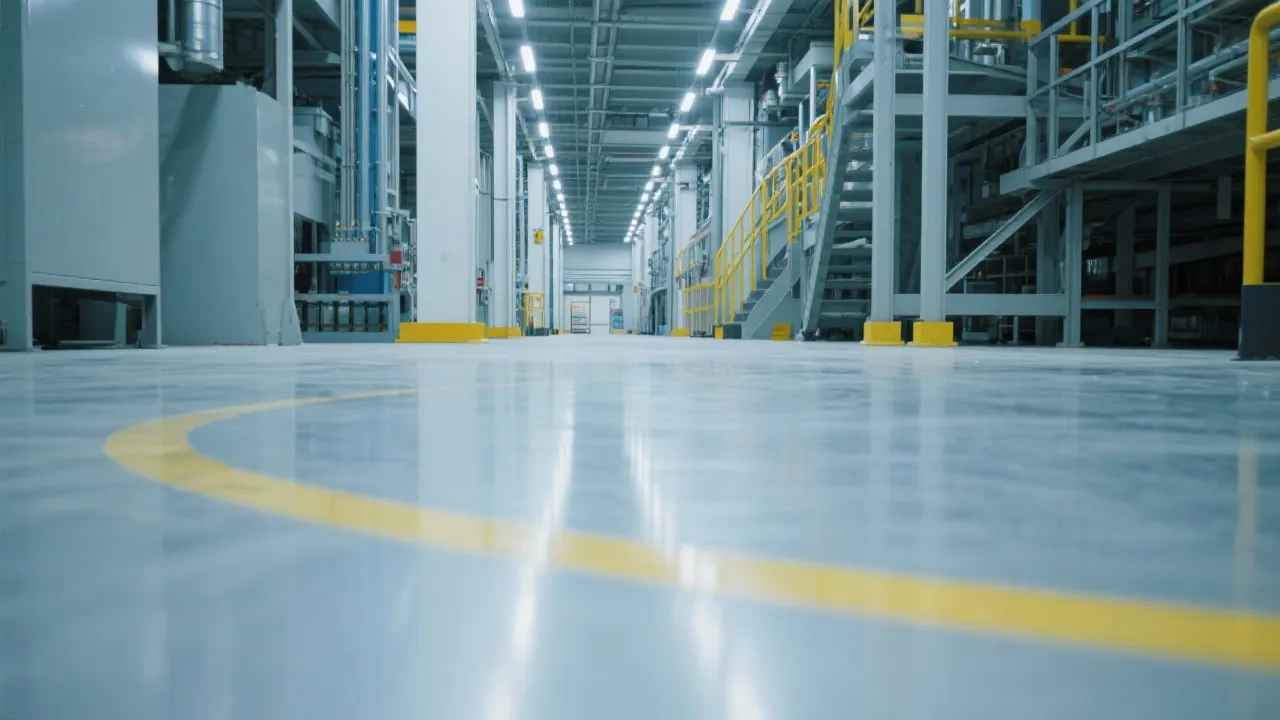
Pisos industriais são fundamentais para a operação de muitos setores, proporcionando segurança e durabilidade em ambientes de alta concentração de atividades pesadas. Este artigo aprofunda na importância destes pisos, destacando suas variedades, critérios de escolha e desafios no Brasil. Entenda como o tipo certo de piso pode otimizar a produtividade e a segurança nas indústrias.
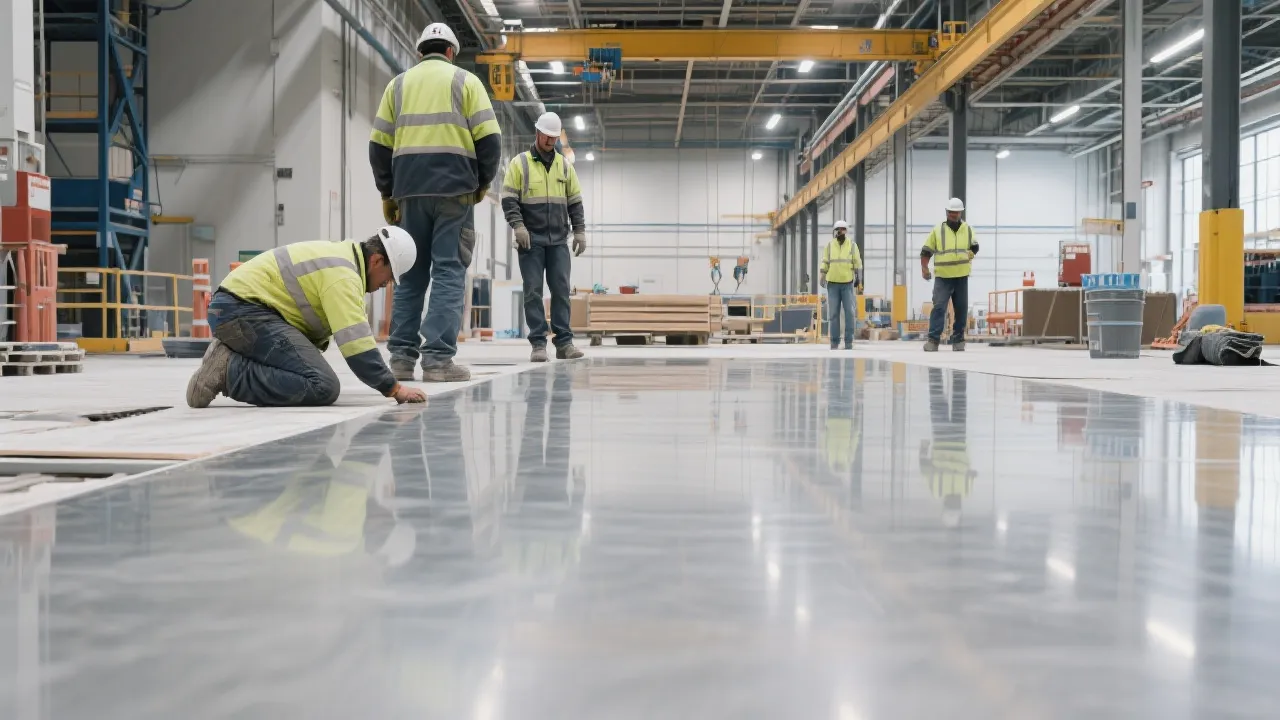
Pisos industriais são essenciais para instalações que demandam alta resistência devido a cargas pesadas e tráfego intenso. Este artigo explora as características dos Tcc Pisos Industriais, sua aplicabilidade em diversos setores e as vantagens de escolher os materiais e técnicas corretas para uma infraestrutura duradoura e eficiente.
Industrial floors are crucial for business operations, offering durability, safety, and versatility. Their applications range from warehouses to high-traffic manufacturing plants. Such floors must meet specific requirements, including resistance to chemicals and heavy loads, ensuring longevity and safety in industrial environments. This article explores various types of industrial floors and their benefits.
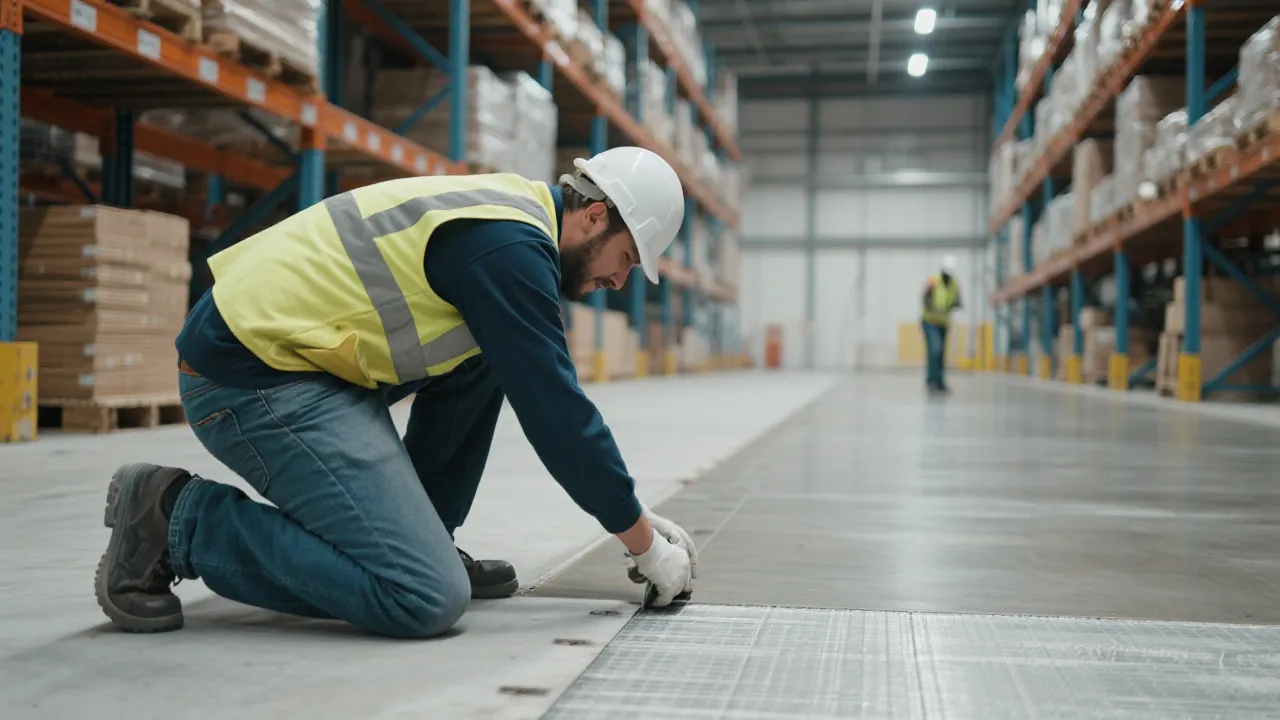
Tcc Pisos Industriais representa um elemento crucial no setor de construção. Com foco em resistência e durabilidade, essas superfícies são essenciais para diversas indústrias. O artigo explora suas características, aplicações e importância, proporcionando uma visão detalhada dos fatores que influenciam sua utilização e escolha dentro do setor, assegurando um investimento adequado e duradouro.